Why Supporting Independent Artists Actually Matters
It's not just a feel-good slogan. When you buy from an independent artist, the economics, the craft, and the meaning of the object are fundamentally different.
"Support independent artists" has become a phrase so common it's almost lost its meaning. It shows up on social media posts, tote bags, and the About pages of shops that may or may not be independent at all. But behind the slogan is something real — a set of economic and creative realities that genuinely matter. Here's what actually changes when you buy from an independent artist instead of a large retailer.
Where Your Money Goes
When you buy a $50 item from a large online retailer, the breakdown looks roughly like this: raw materials, factory labour (often at poverty wages), shipping, platform fees, warehousing, marketing, and corporate profit. The person who designed the item may have been paid a flat fee years ago. The people who made it were paid by the unit.
When you buy a $50 item from an independent artist, the breakdown is different: materials the artist chose personally, hours of the artist's skilled labour, and platform fees. That's essentially it. There's no corporate layer, no factory markup, no warehouse overhead. The money goes to the person who made the thing.
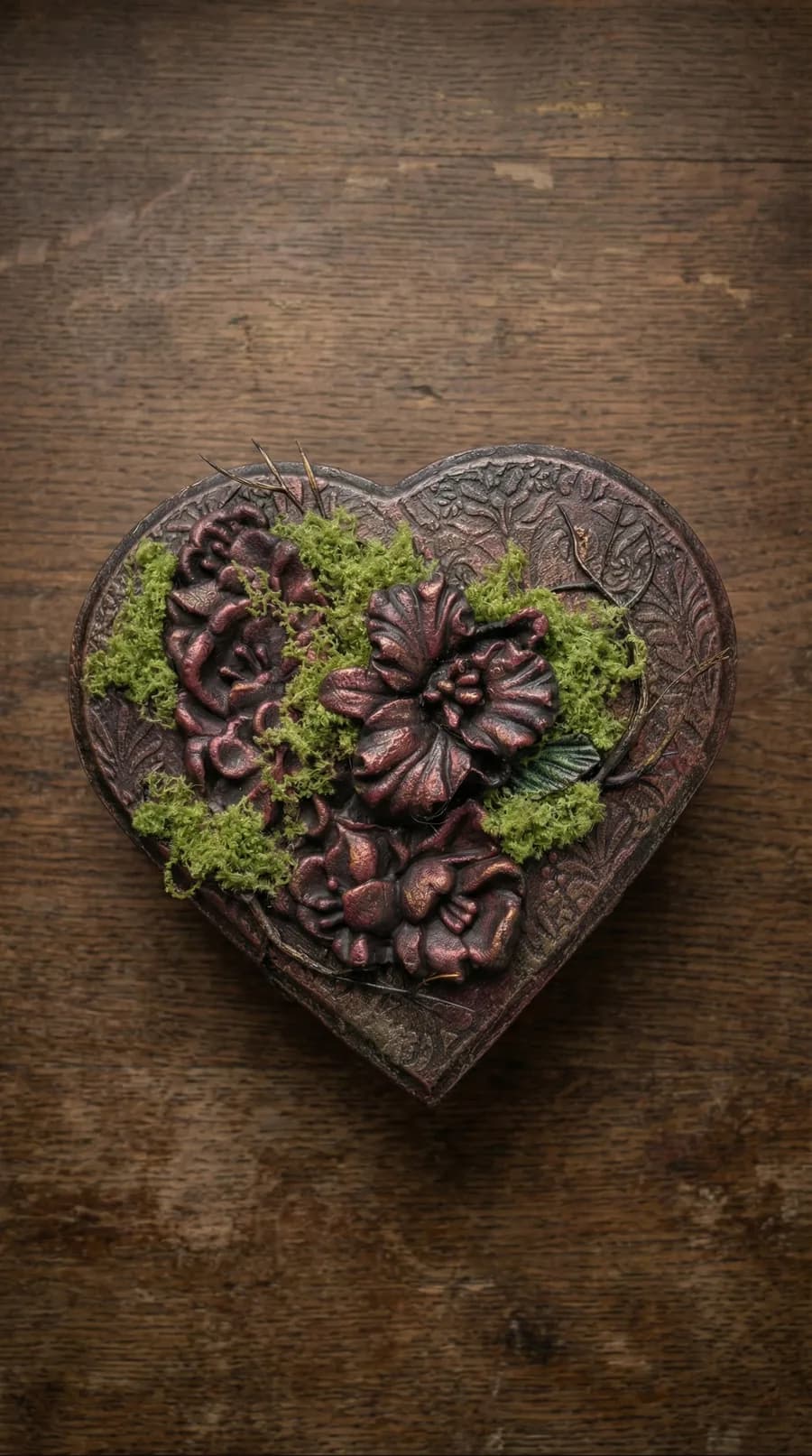
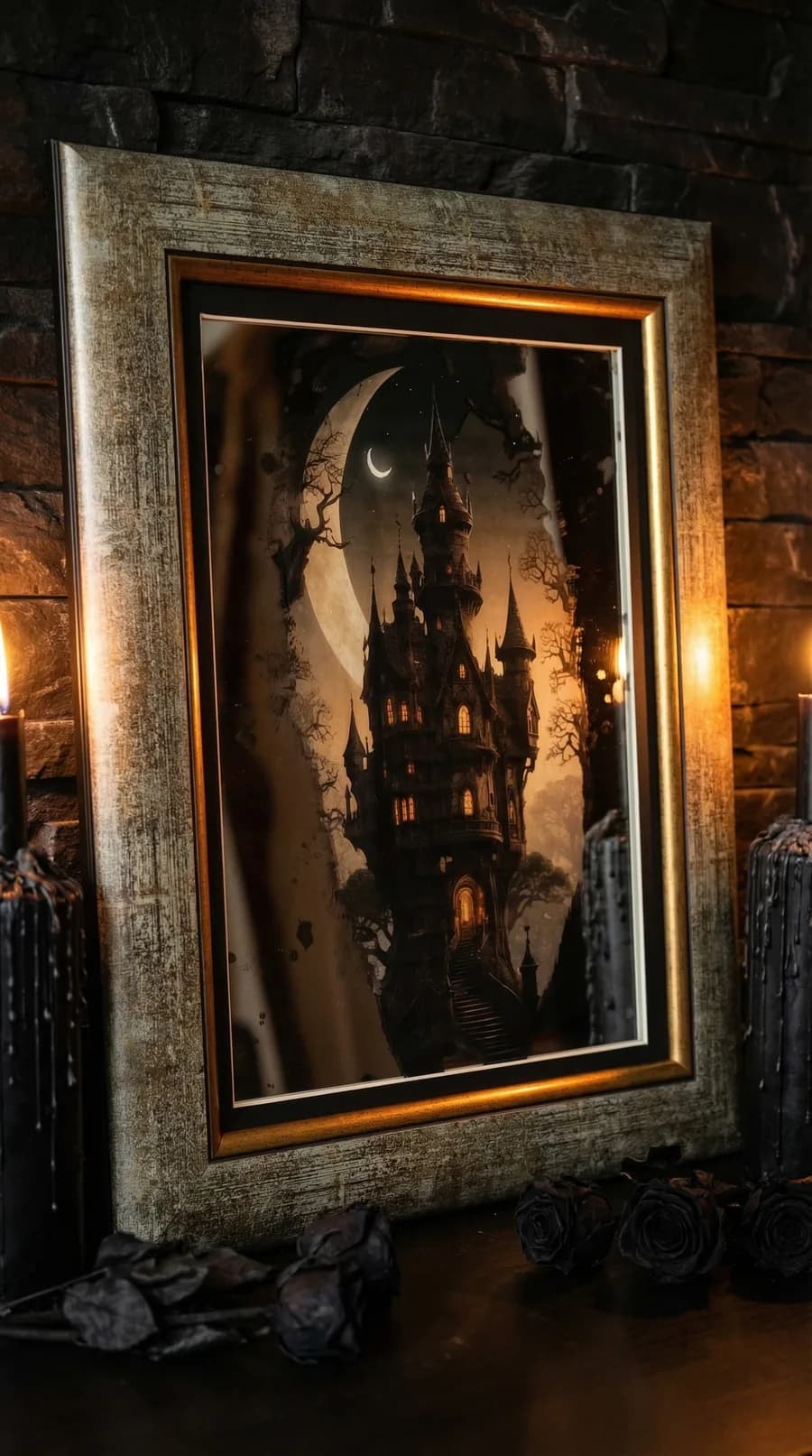
For a piece from Mila Treasures Atelier, the economics are transparent: materials (polymer clay, mirror glass, paints, gold leaf, frames) and Milena's time. A trinket box that takes 15-20 hours to complete at a fair hourly rate should cost what it costs. The price reflects a person's skilled time, not a corporation's profit margin.
What You're Actually Buying
A mass-produced gothic candle holder is an object. A handmade one is a decision — someone decided to sculpt that specific raven in that specific pose with those specific feather textures. The object carries intention.
This isn't sentimental. It's practical. Intentional objects are more interesting to live with. They reward closer inspection. They have textures and details that weren't optimised away by a cost engineer.
The Skill Preservation Problem
Many traditional craft techniques — églomisé, hand gilding, polymer clay sculpture, metallic patina finishing — survive only because independent artists keep practising them. These techniques aren't taught in most schools. They're not profitable enough for factories to adopt. They exist because individual artists choose to learn them, often through years of self-directed practice.
When these artists can't make a living, the techniques fade. Not dramatically — they just quietly stop being practised. One fewer person knows how to hand-scrape mirror glass. One fewer person can sculpt polymer clay at a professional level. The knowledge doesn't vanish overnight; it erodes.
Buying from artists who practise these techniques is the most direct way to ensure the techniques survive. Not through grants or institutions — through commerce. An artist who can pay rent through their craft will keep practising it.
How to Support Effectively
If you want to support independent artists in a way that actually helps:
Buy directly or through artist-friendly platforms. Etsy, despite its flaws, still gives artists more control and a larger share of revenue than most alternatives. Artist websites are even better.
Pay full price. Artists set their prices based on real costs. Asking for discounts on handmade work is asking someone to undervalue their skilled time.
Leave reviews. On platforms like Etsy, reviews directly affect an artist's visibility. A detailed, honest review is worth more than a tip.
Share the work. When you display a piece in your home and someone asks about it, tell them who made it and where to find them. Word of mouth is still the most powerful marketing an independent artist has.
Be patient. Handmade means lead time. Custom work takes weeks, not days. Shipping from a small workshop takes longer than shipping from a fulfilment centre. The wait is part of what makes the result different.
The Real Choice
Every purchase is a vote for the kind of world you want to live in. A world where every home contains the same mass-produced objects from the same factories, or a world where your shelf holds something made by a person whose name you know, whose craft you can see, whose livelihood your purchase directly supports.
That's not a slogan. That's economics.
Mila Treasures Atelier
Handcrafted Dark Elegance